Blog

Latest posts from Astronomy Daily: Latest Space News

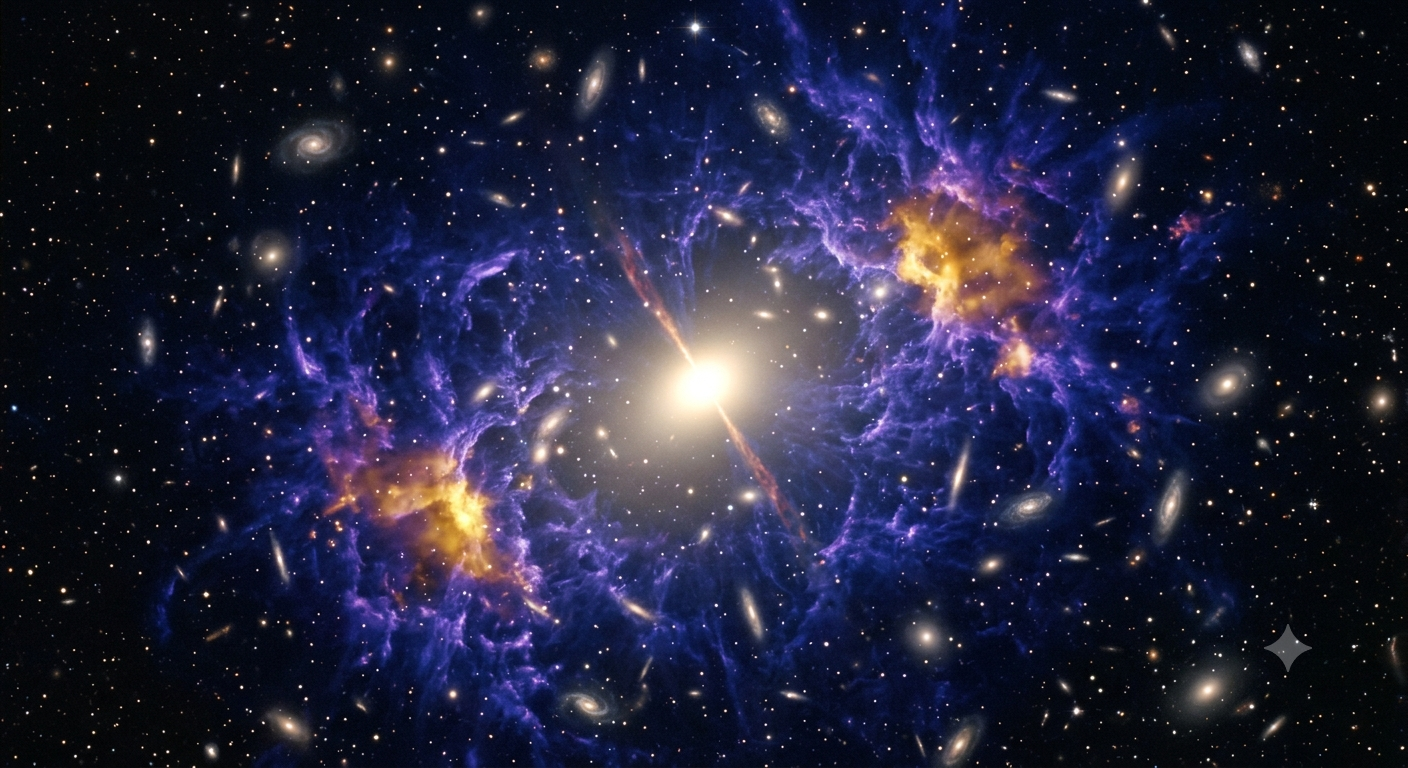
Is Empty Space Really Empty? A 90-Year-Old Mystery Gets Its Answer

In 1936, physicists Werner Heisenberg and Hans Euler proposed something strange: that a vacuum isn't truly empty, but filled with a simmering sea of virtual particles flickering in and out of existence. One consequence of that idea, if true, is vacuum birefringence — an effect where an extraordinarily strong magnetic field should polarize light passing through empty space, the vacuum itself acting a little like a lens.

Read more

The Colour of Empty Space

Ask a physicist to describe truly empty space and you will not get silence. You will get a story about a place that is anything but empty — a restless froth where pairs of particles and their antimatter twins blink into existence and vanish again before any instrument can catch them. It sounds like a metaphor. This week, thanks to a dead star and a radio dish in the New South Wales countryside, it started to look like a measurement.

Read more

The Night a Telescope Started Driving Itself! | Astronomy Daily · Weekend Wrap · 1 August 2026

Ask any astronomer who has worked a night at a major observatory and they'll describe the same quiet, relentless pressure. You have the telescope for a set number of hours. The sky refuses to cooperate. Clouds drift in from nowhere; the Moon climbs and drowns your faint targets in silver; the air steadies and then turns to soup. Every few minutes you're making a call — point here now, hold that one for later, abandon this one entirely.....

Read more

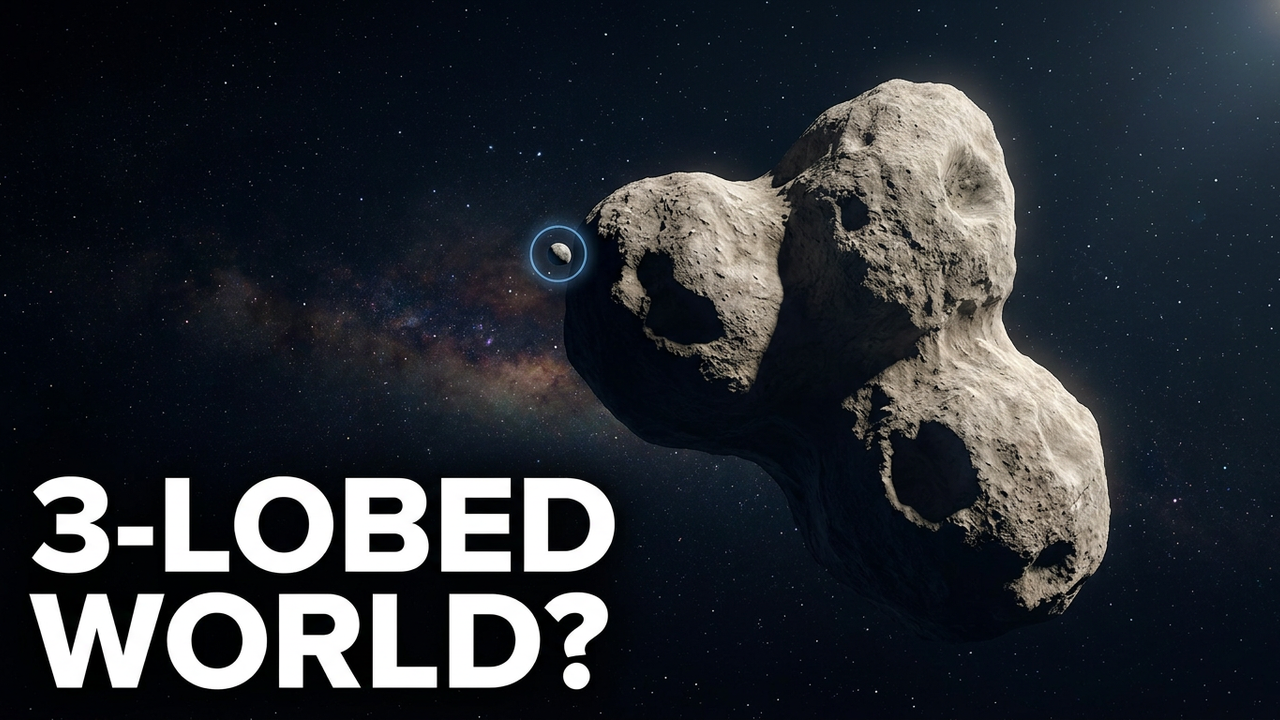
A World in Three Parts | Astronomy Daily · S05E155 · Friday 31 July 2026

Ask most people to picture an asteroid and they’ll describe a potato — a single grey lump tumbling through the dark. It’s a fair image. Most asteroids really are lonely, irregular rocks. Some are “contact binaries,” two lobes fused into a peanut shape, like the comet Rosetta visited or the little moonlet DART crashed into. But this week, one long-known asteroid broke the mould entirely.

Read more

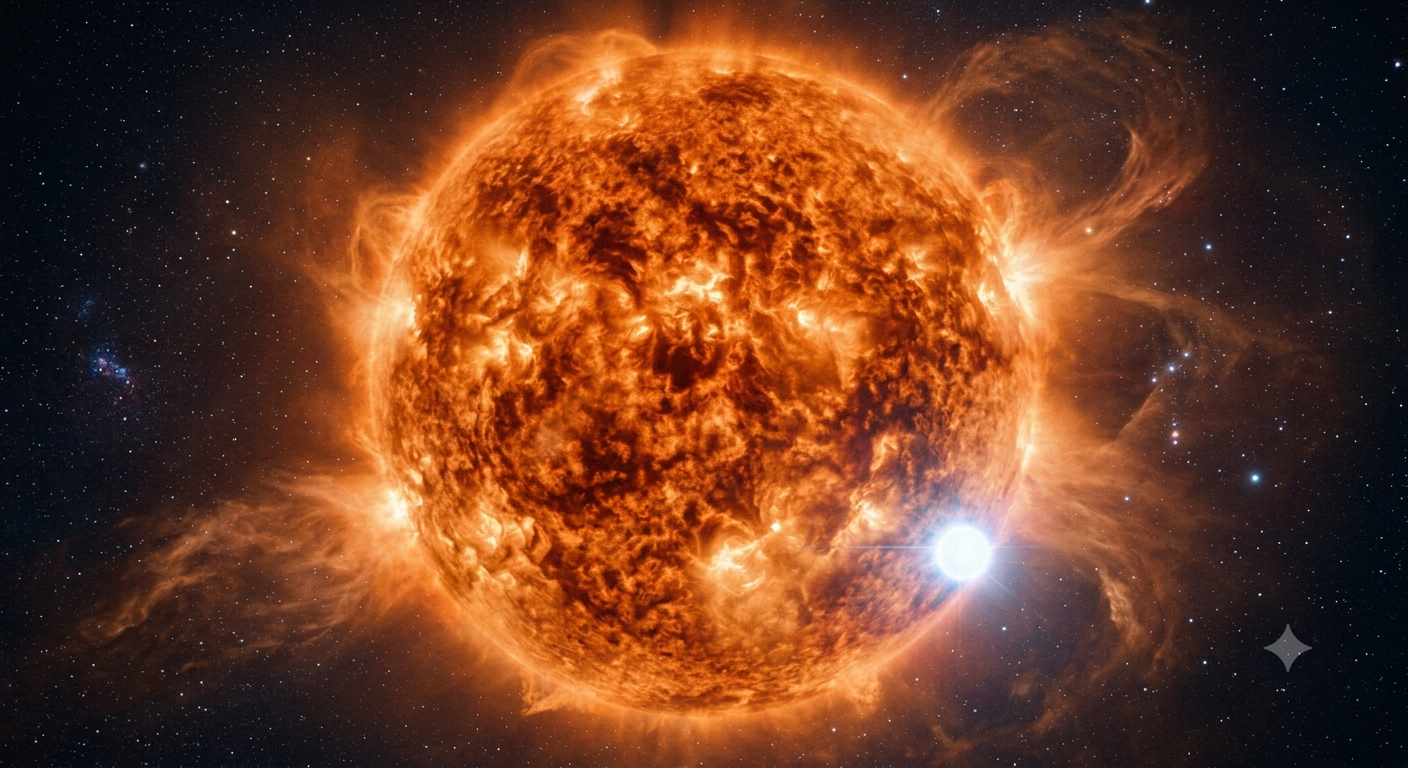
Betelgeuse Was Never Alone

Look up at Orion on any clear night and you have already met the star at the centre of this week’s biggest astronomy story. Betelgeuse — the deep-orange point marking the hunter’s shoulder — is a red supergiant so vast that, dropped into our own solar system, it would engulf the orbit of Jupiter.

Read more