Blog
Latest posts from Astronomy Daily: Latest Space News
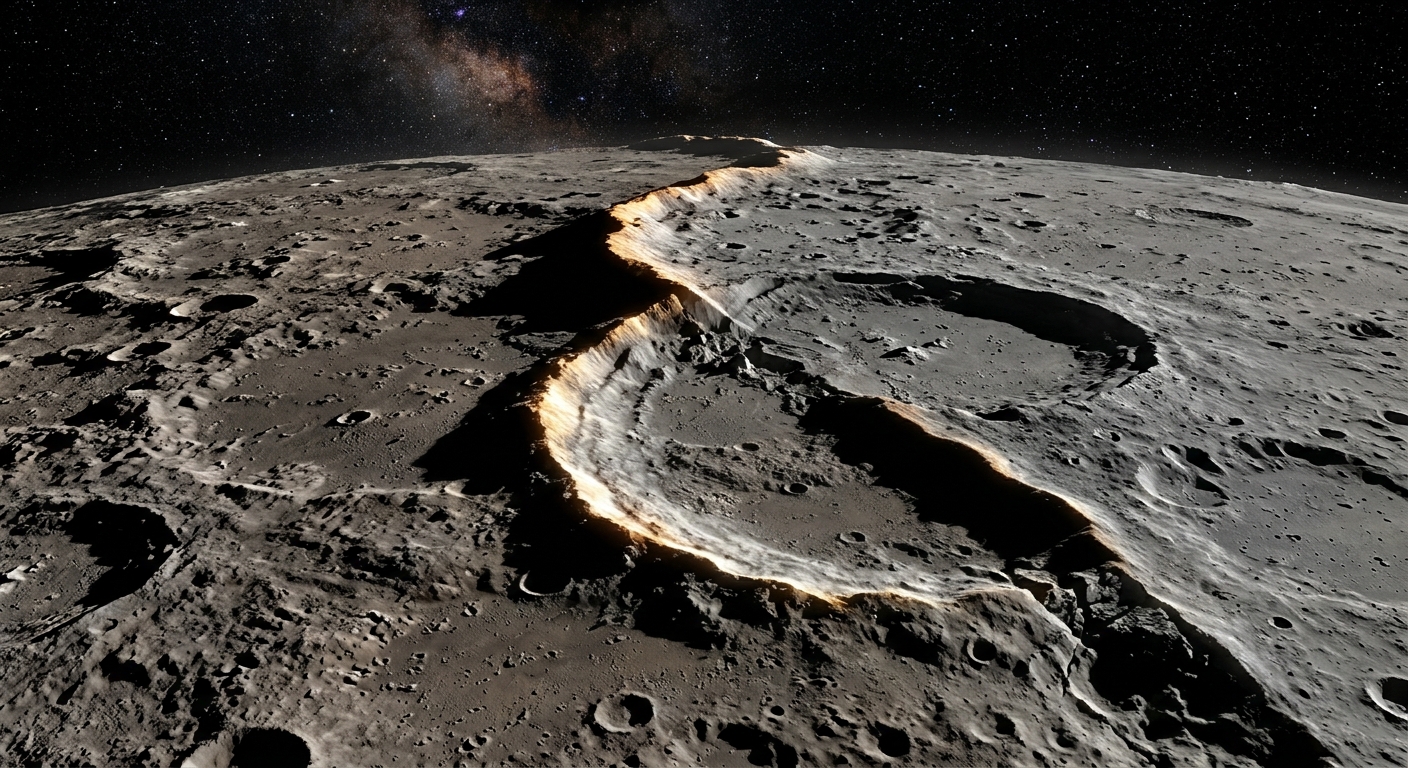
The Gravel Hiding the Ruts
Mercury has lost more of itself than anyone had measured — and the reason we missed it is the most interesting part of the story.
Read more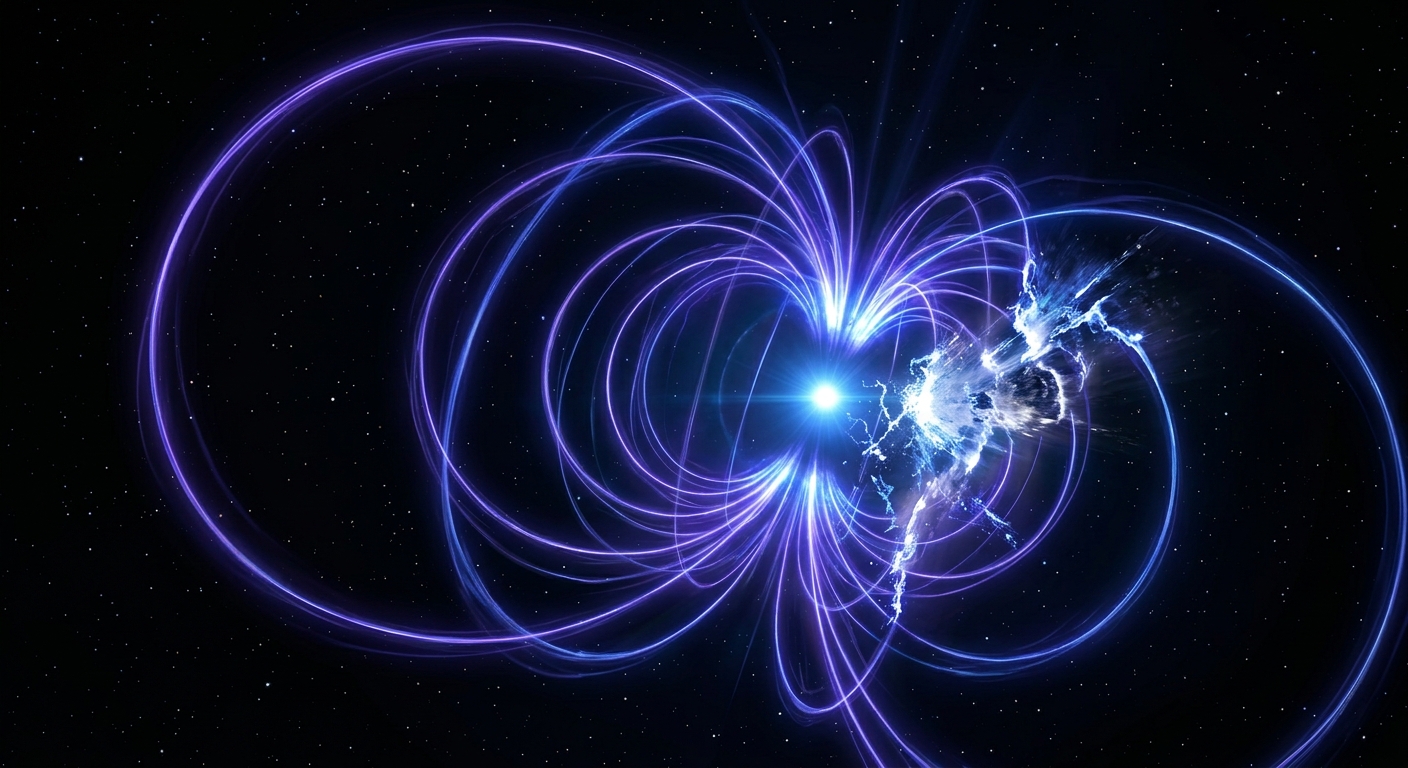
Half the Neutron Stars
Magnetars were supposed to be freaks. About thirty are known in the Milky Way, against several thousand ordinary radio pulsars, and for thirty years that ratio has done quiet work in the back of everyone's mind: whatever a magnetar is, it is rare. A paper published this week in Nature Astronomy argues that the ratio was never measuring what we thought it was....
Read more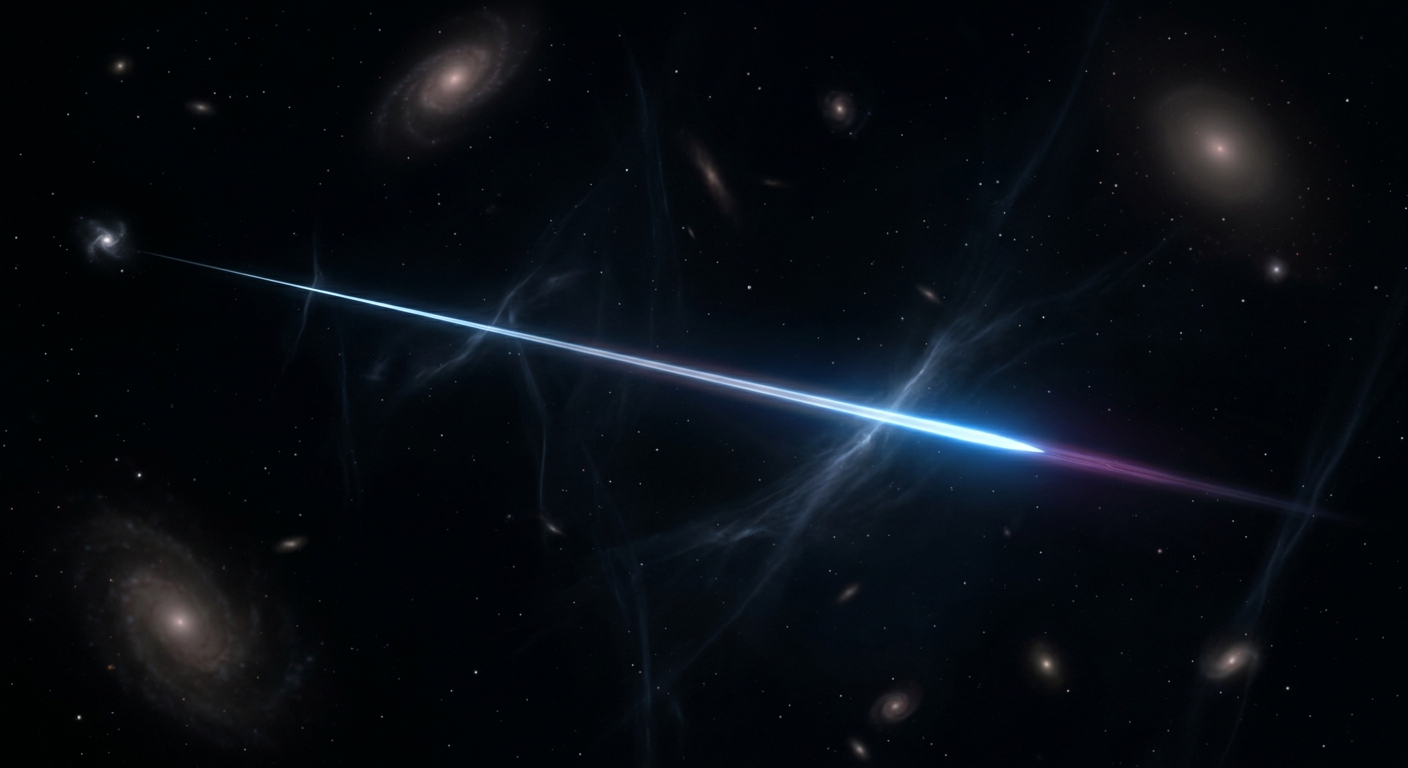
A Hundred and Nine Flashes
A hundred and nine radio flashes, each lasting a thousandth of a second, have just been used to weigh the ordinary matter of the universe — and they found more of it than the X-ray surveys could see.
Read more
The Smallest Things Remember
Objects five kilometres across, four and a half billion kilometres away, should be broken fragments of something bigger. Hubble and Webb have just found twenty-seven of them — and they are still wearing the colours they were born with.
Read more
The Moon in Five Hours
For half a century the story has been that the Moon assembled slowly out of a ring of debris. A new set of simulations changed one assumption — and got a finished Moon before dinner.
Read more
Europe Launches From Europe: Sixty-Nine Years Late, and Worth the Wait
Here is a fact that sounds like a mistake until you check it. In the entire history of the space age, no vehicle had ever reached orbit from Western European soil. Not one. Europe has been a first-rank space power for half a century — Ariane, Rosetta, Gaia, Huygens touching down on Titan — and every one of those missions left the ground from Kourou, in French Guiana, on the north-east coast of South America.
Read more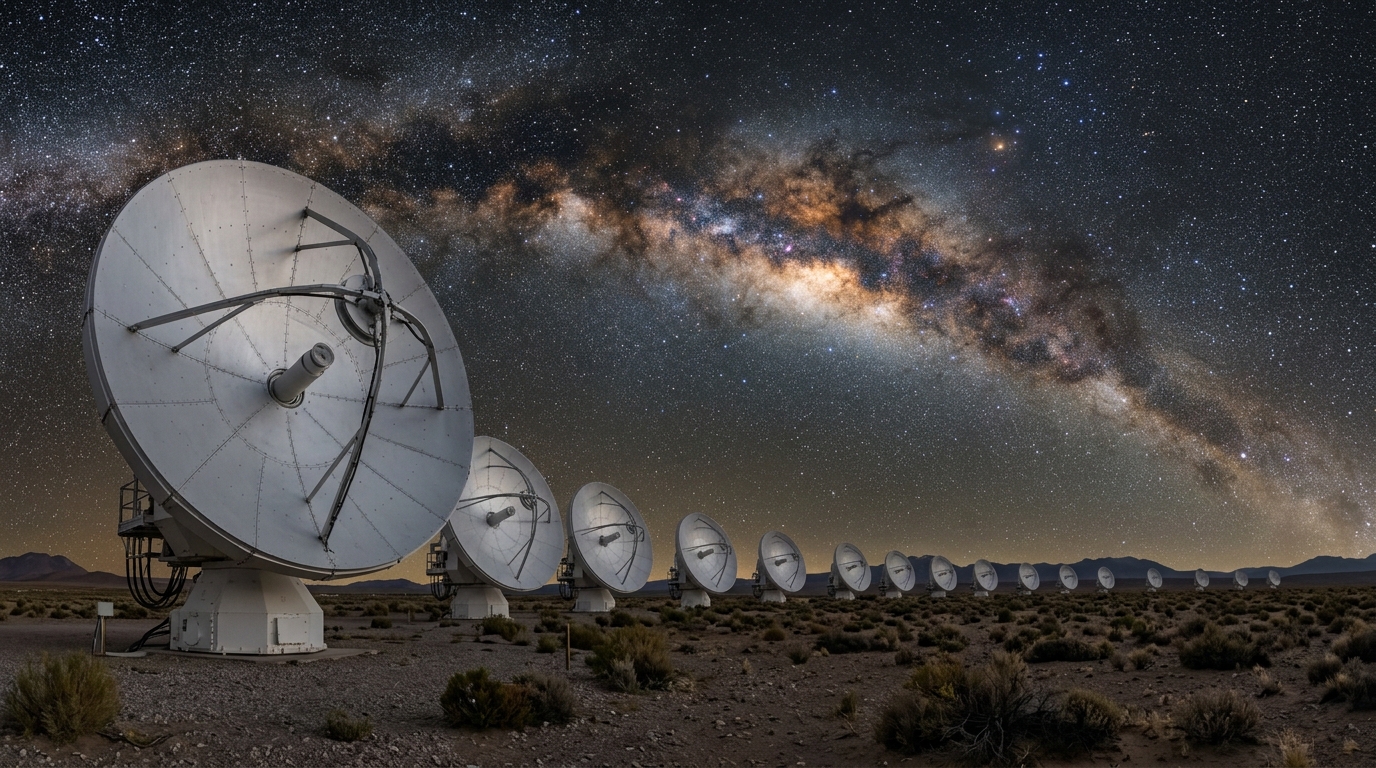
The Hydrogen Map: A Desert Telescope Just Made Dark Energy Measurable by Radio
MeerKAT has detected hydrogen from four to five billion light years away using radio data alone — with 96 hours of observing recorded back in 2018. Here is why that is a bigger deal than it sounds. Companion blog post for S05E186 · The Weekend Wrap, Saturday, September 5, 2026 · 982 words · astronomydaily.io
Read more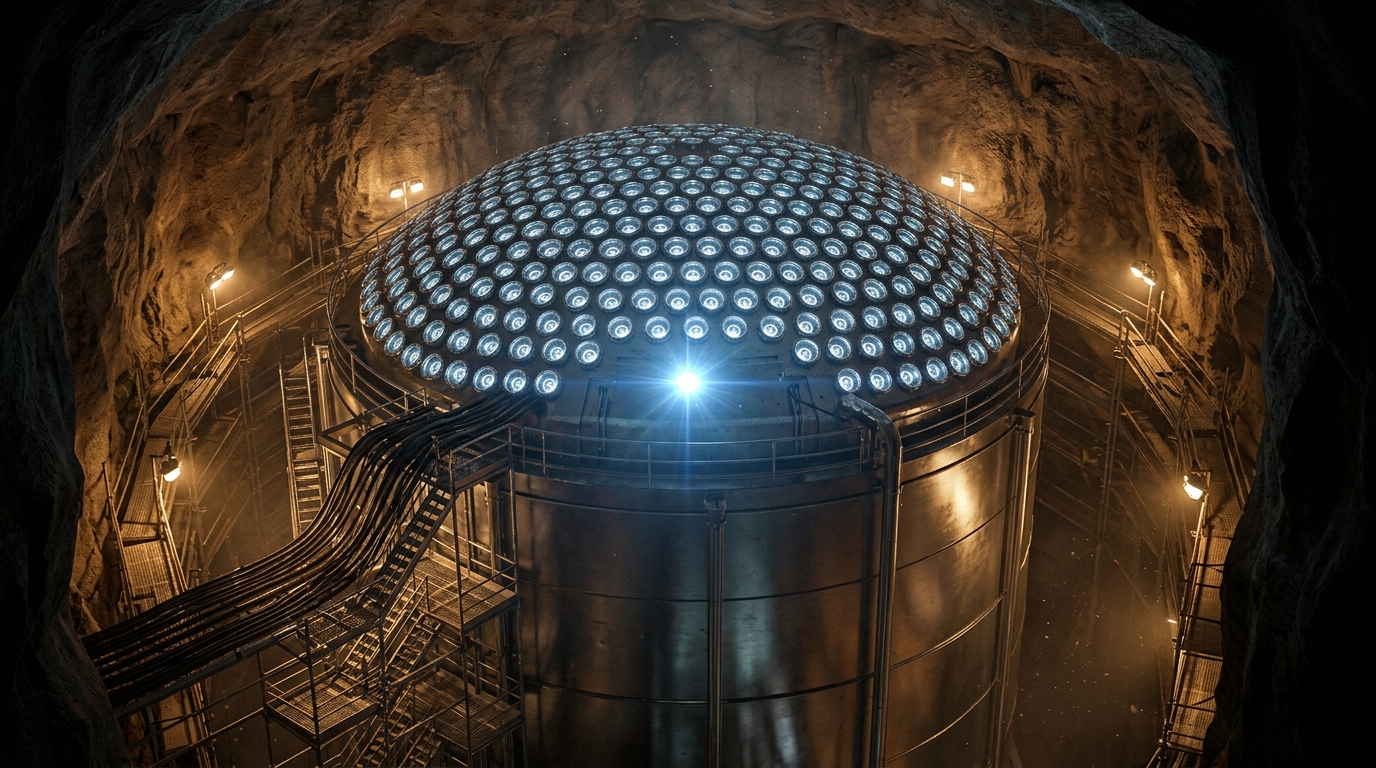
The Most Interesting Result in Physics This Week Is a Non-Discovery
There is a tank of liquid xenon — ten tonnes of it — sitting about a mile beneath South Dakota, in a mine that used to produce gold. It is wrapped in a water tank, surrounded by a neutron veto, and built from materials screened for radioactivity to a degree that borders on obsessive. The entire purpose of the apparatus is to be the quietest place anyone has ever constructed, so that if something very rare happens inside it, you will notice.
Read more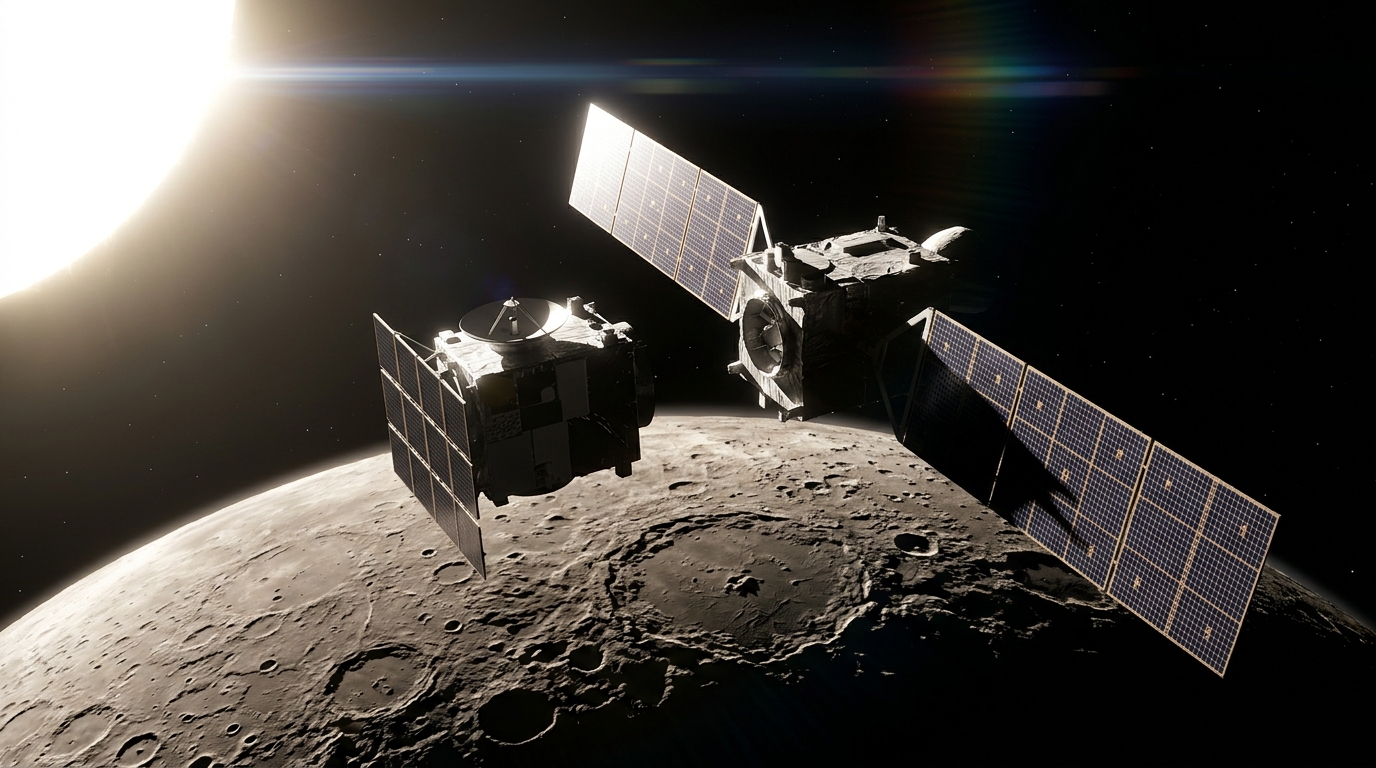
The Hardest Planet to Reach Is Also One of the Closest
There is a particular kind of space story that sounds like bad news and isn't. Today, somewhere between the Sun and the planet Mercury, a spacecraft is deliberately discarding the module that has done all its driving for the past eight years. That's the good news. It means the arrival has started.
Read more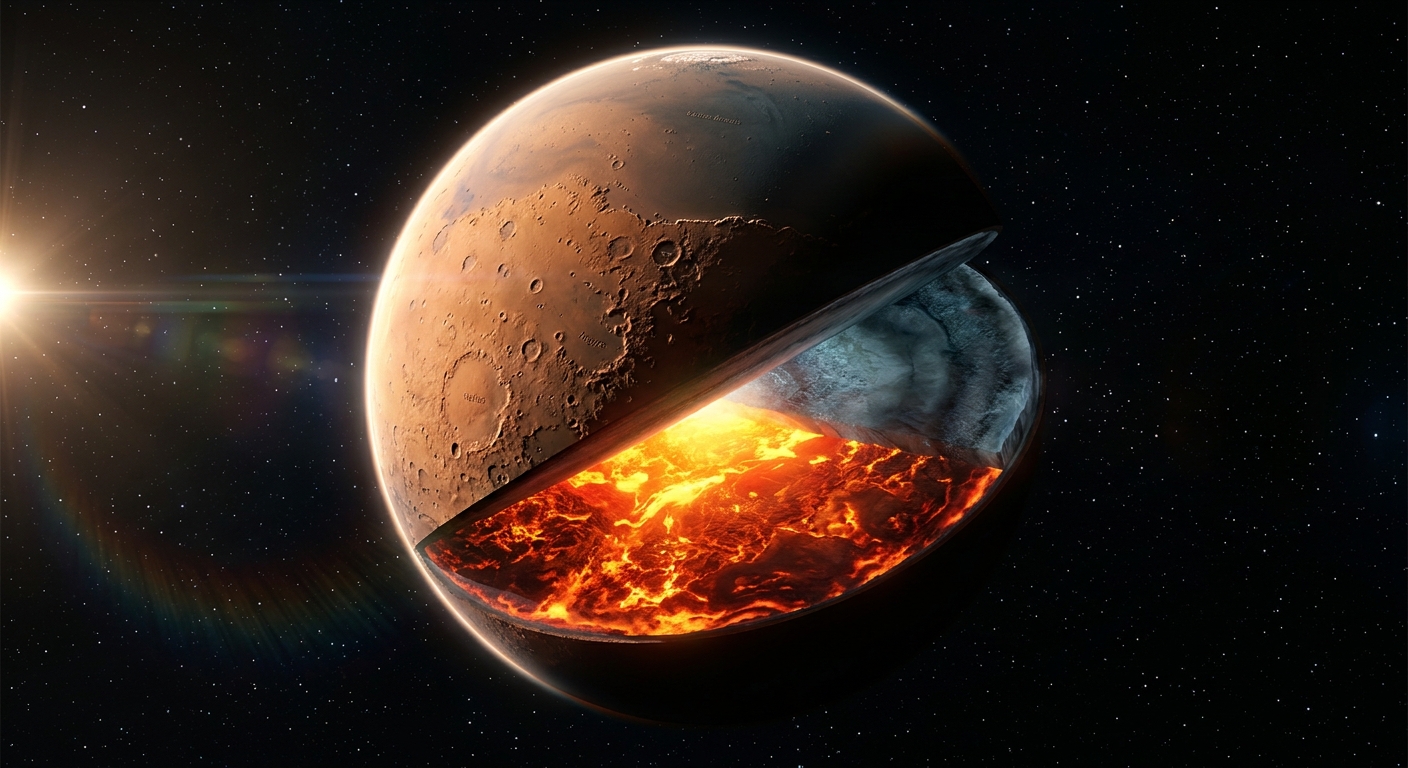
Mars Is Lopsided All the Way Down
If you have ever seen one of those false-colour topographic maps of Mars — the ones where blue is low and red is high — you have seen the problem, whether or not anyone pointed it out to you. The northern third of the planet is smooth, low and comparatively young. The southern two-thirds is high, ancient and hammered with craters, sitting on crust that is markedly thicker. Between them runs a boundary that is, in places, a step of several kilometres.
Read more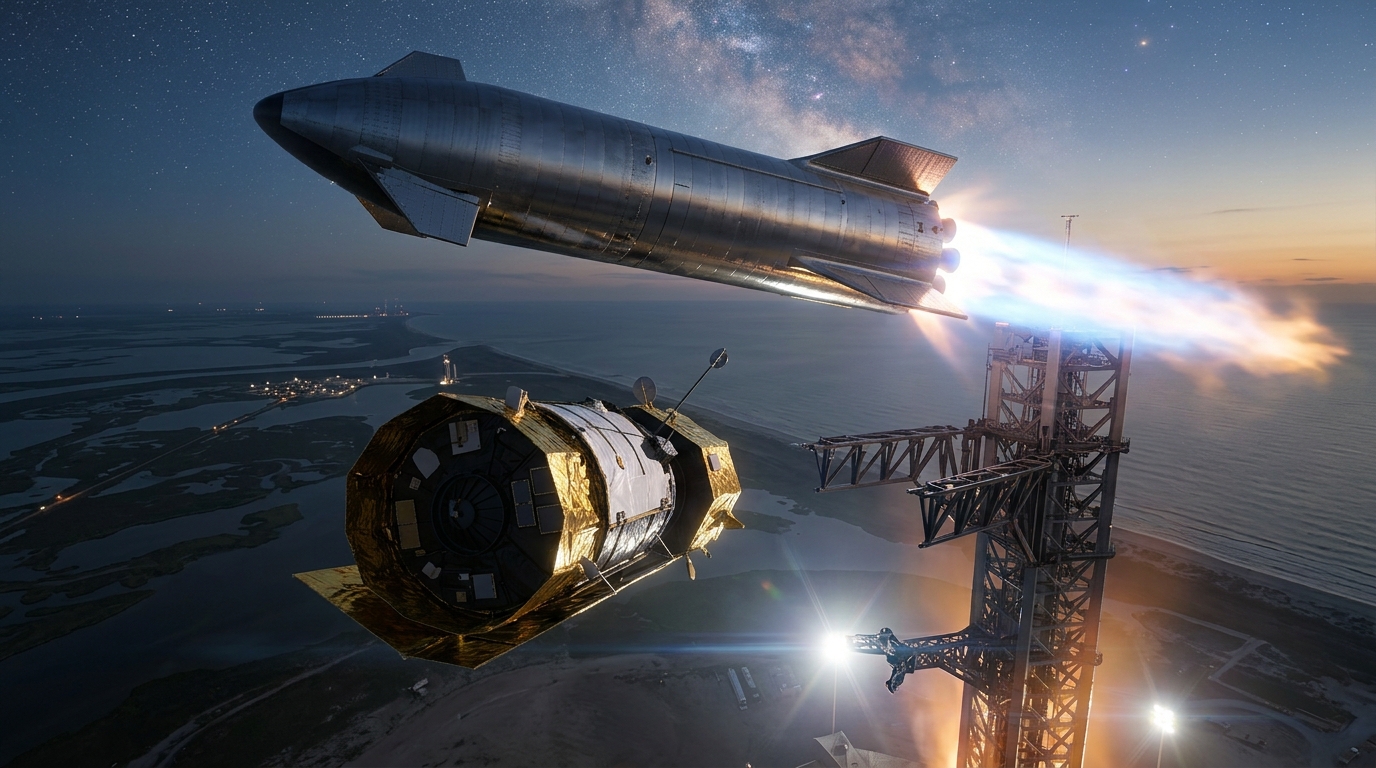
Starship Flight 14: The Historic Catch Attempt
SpaceX has cleared the last major hurdle before Starship's most ambitious test flight yet. Booster 21 — the Super Heavy first stage for Flight 14 — completed a full-duration static fire at Starbase's Pad 2 on Saturday, August 30, with Ship 41 having already finished its own static fire campaign at the separate Massey's Test Site days earlier.
Read more